Annual Lab Work For Early Detection in Mesa, AZ
Regular blood tests can help identify underlying health issues before they become clinically apparent. Detecting problems early allows for prompt intervention and treatment.
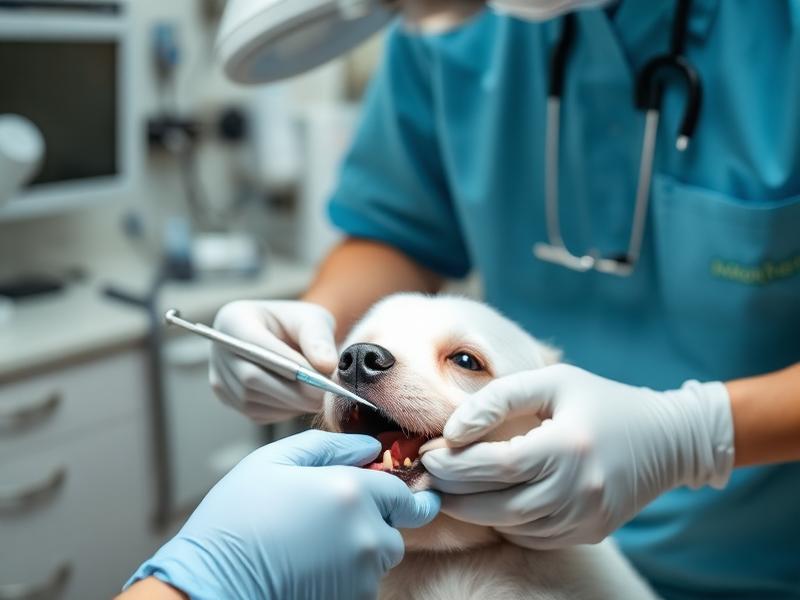
Why Annual Lab test is important
Regular blood tests can help identify underlying health issues before they become clinically apparent. Detecting problems early allows for prompt intervention and treatment, often leading to better outcomes.
Common components of annual or periodic labwork for dogs may include:
Complete Blood Count (CBC):
Assesses red and white blood cell counts, providing information about overall health and potential infections.
Blood Chemistry Panel:
Evaluates organ function, including kidney and liver health, blood glucose levels, and electrolyte balance.
Urinalysis:
Examines the urine for signs of kidney disease, urinary tract infections, and other issues.
Thyroid Function Tests:
Measures thyroid hormone levels, particularly important in certain breeds prone to thyroid disorders.
Heartworm Testing:
Detects the presence of heartworm infection, especially in regions where heartworm disease is prevalent.
Fecal Examination:
Screens for intestinal parasites that may affect the dog's gastrointestinal health.
Signs your pet may need lab work sooner
Do not wait for the yearly visit if you notice your pet drinking or urinating more than usual, losing weight, eating less, vomiting, or seeming tired. These can be early signs of kidney, liver, thyroid or blood sugar problems, and lab work is the fastest way to find out what is going on.
Who annual lab work is for
Lab work is recommended for dogs and cats of every age. For young, healthy pets it gives us a baseline, a record of what is normal for your pet, so small changes stand out later. For adult and senior pets it is one of the best ways to catch kidney, liver, thyroid and blood sugar problems before your pet shows any signs of illness.
Pets are very good at hiding discomfort. A cat with early kidney disease or a dog with a slowly changing liver value can look and act completely normal at home. Blood and urine tests let us see what is happening on the inside.
What happens at the visit
- Your veterinarian performs a nose-to-tail physical exam and asks about appetite, thirst, energy and bathroom habits.
- A small blood sample is drawn, usually from a leg or the neck. Most pets tolerate it in under a minute.
- A urine sample may be collected to check kidney function and look for infection or crystals.
- Samples are run in our in-house lab, so many results are available quickly.
- Your veterinarian reviews the results with you, explains anything outside the normal range and recommends next steps if needed.
How often to come in
For most healthy adult dogs and cats, lab work once a year alongside the annual exam is a good rhythm. Senior pets, and pets on long-term medications, often benefit from testing every six months, because changes can happen faster as pets age.
Your veterinarian may also recommend lab work before anesthesia for Dentistry or Surgical Procedures, and whenever your pet seems unwell.
Why choose Apache Trail Veterinary Services
Our in-house laboratory lets us run bloodwork and urinalysis right here in East Mesa, so you are not left waiting days for answers. When results point to something that needs a closer look, we can follow up with Imaging Services in the same clinic, and our team takes the time to walk you through every number.
Frequently asked questions
Most healthy adult pets do well with blood work once a year at their annual exam. Senior pets and pets on long-term medications are often tested every six months. Your veterinarian will suggest a schedule based on your pet's age and health.
A wellness panel looks at red and white blood cells, platelets, and organ values such as kidneys, liver and blood sugar. It can also include thyroid testing and a urinalysis. Together these show how your pet's body is working on the inside.
For some tests, fasting gives more accurate results. When you book, our team will tell you whether to hold food the night before. Water is usually fine unless we tell you otherwise.
Older pets hide illness well, and early kidney, liver and thyroid changes often have no outward signs. Finding them early usually means simpler treatment and more good years together. Lab work also helps us choose safe medications and plan for Diet & Nutrition changes.
Prices depend on your pet's needs. Call us at 480-986-9050 for a quote.
Schedule Your Pet's Lab Work Today
Early detection saves lives. Contact us to schedule your pet's annual lab work.
Book Appointment