
Vaccinations in Mesa, AZ
Puppy and kitten shots, rabies and boosters for dogs and cats. New patients welcome, and we're open Saturdays until 6 PM. Need shots before boarding or a trip? Call and we'll find the soonest time.
Mon–Fri 7:30 AM–6 PM · Sat 10 AM–6 PM
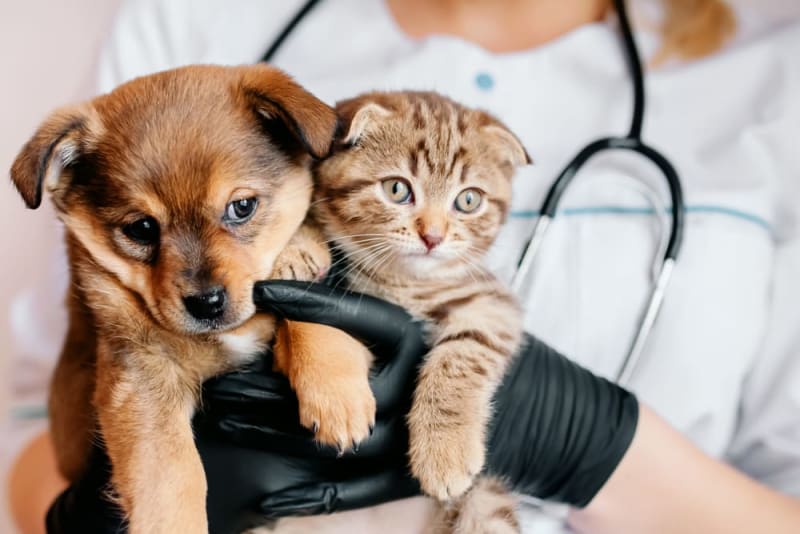
Our vaccine plans follow the AAHA Canine Vaccination Guidelines and the AAHA/AAFP Feline Vaccination Guidelines, so your pet gets the vaccines it needs and no extras.
Puppy & Dog Vaccines
Core vaccines (every dog)
- Rabies: required by Arizona law to license your dog
- DHPP: distemper, adenovirus (hepatitis), parvovirus and parainfluenza in one shot
- Leptospirosis: a bacterial infection spread through standing water and wildlife urine, common after monsoon rains, and it can pass to people
Lifestyle vaccines (based on where your dog goes)
- Bordetella (kennel cough): dogs that board, go to daycare, groomers or dog parks
- Canine influenza: dogs that board or spend time around many other dogs
- Lyme disease: dogs that travel to or spend summers in tick areas, such as the Midwest or Northeast
Puppy schedule
| Puppy's age | Vaccines |
|---|---|
| 6–8 weeks | DHPP |
| 10–12 weeks | DHPP, Leptospirosis, Bordetella if needed |
| 14–16 weeks | DHPP, Leptospirosis, Rabies |
Adult dogs
All core vaccines are boosted at one year. After that, DHPP is given every 3 years, leptospirosis every year, and rabies every 1 or 3 years depending on the vaccine. Lifestyle vaccines are given yearly if your dog needs them.
Small dog, or a pet that has reacted to a vaccine before? We can split vaccines across visits.
Adopted an older dog, behind on shots, or missing records? We'll set up a catch-up plan at the first visit.
Kitten & Cat Vaccines
Core vaccines (every cat, including indoor cats)
- Rabies
- FVRCP: panleukopenia (feline distemper), herpesvirus and calicivirus in one shot
- Feline leukemia (FeLV): every kitten, because kittens are most at risk
Lifestyle vaccines
- FeLV boosters for adult cats: cats that go outdoors or live with cats that do
Kitten schedule
| Kitten's age | Vaccines |
|---|---|
| 6–8 weeks | FVRCP |
| 10–12 weeks | FVRCP, FeLV |
| 14–16 weeks | FVRCP, FeLV, Rabies |
Kittens are tested for feline leukemia before their first FeLV shot.
Adult cats
All core vaccines are boosted at one year. After that, FVRCP is given every 3 years, rabies every 1 or 3 years depending on the vaccine, and FeLV every 1–2 years for cats at risk.
Adopted an older cat, behind on shots, or missing records? We'll set up a catch-up plan at the first visit.
What happens at the visit
- Bring any previous vaccine records, and the breeder or shelter paperwork for a new puppy or kitten.
- We review your pet's vaccine history and lifestyle so we only recommend what your pet needs.
- Your veterinarian performs a physical exam to make sure your pet is healthy enough to be vaccinated.
- Vaccines are given with a quick injection; most pets barely notice.
- You leave with updated records, your pet's rabies certificate and tag, and the date the next vaccines are due. We'll remind you before boosters come up and can email a copy for boarding, groomers or licensing.
Mild tiredness or soreness for a day is normal. Call us if you notice swelling of the face, vomiting or trouble breathing.
Frequently asked questions
Dogs usually need rabies, DHPP (distemper, hepatitis, parvovirus and parainfluenza) and leptospirosis. Cats usually need rabies and FVRCP, and every kitten should get feline leukemia (FeLV). Depending on lifestyle, we may also recommend vaccines such as Bordetella for dogs or FeLV boosters for adult cats.
First vaccines are usually given at around six to eight weeks of age. Boosters follow every few weeks until about 16 weeks old. Bring any records from the breeder or shelter so we can continue the series.
Rabies vaccination is required for dogs in Arizona. After the first shot, boosters are given every one or three years depending on the vaccine used. We will tell you which applies to your pet and when the next one is due.
Don't worry. Bring in whatever records you have and we'll work out which vaccines are due and get your pet back on schedule. If the gap is long, some vaccines may need to be given twice a few weeks apart.
Yes. Indoor cats can still be exposed when they slip outside, visit a groomer or boarder, or meet a new pet. Rabies and core feline vaccines are recommended for indoor cats too, and we will adjust the plan to your cat's lifestyle.
Prices depend on your pet's needs. Call us at 480-986-9050 for a quote.
Ready to Schedule Your Pet's Vaccination?
Book online or call us. We'll fit your pet in as soon as we can.
Mon–Fri 7:30 AM–6 PM · Sat 10 AM–6 PM